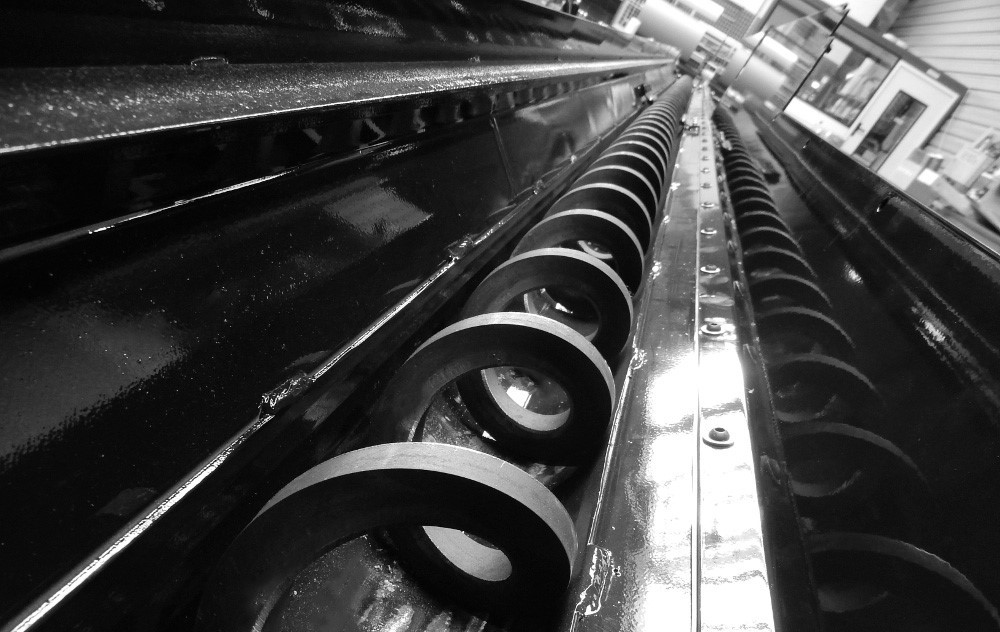
Archimedes screw


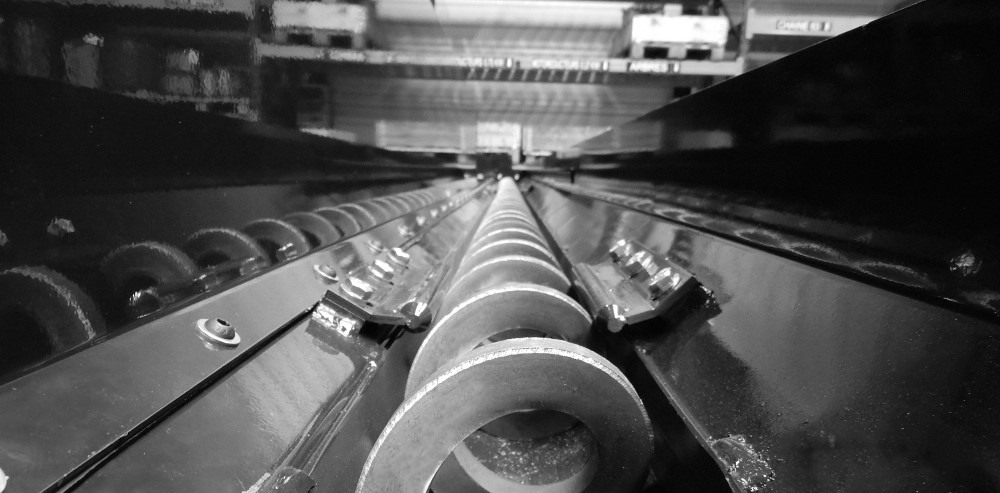
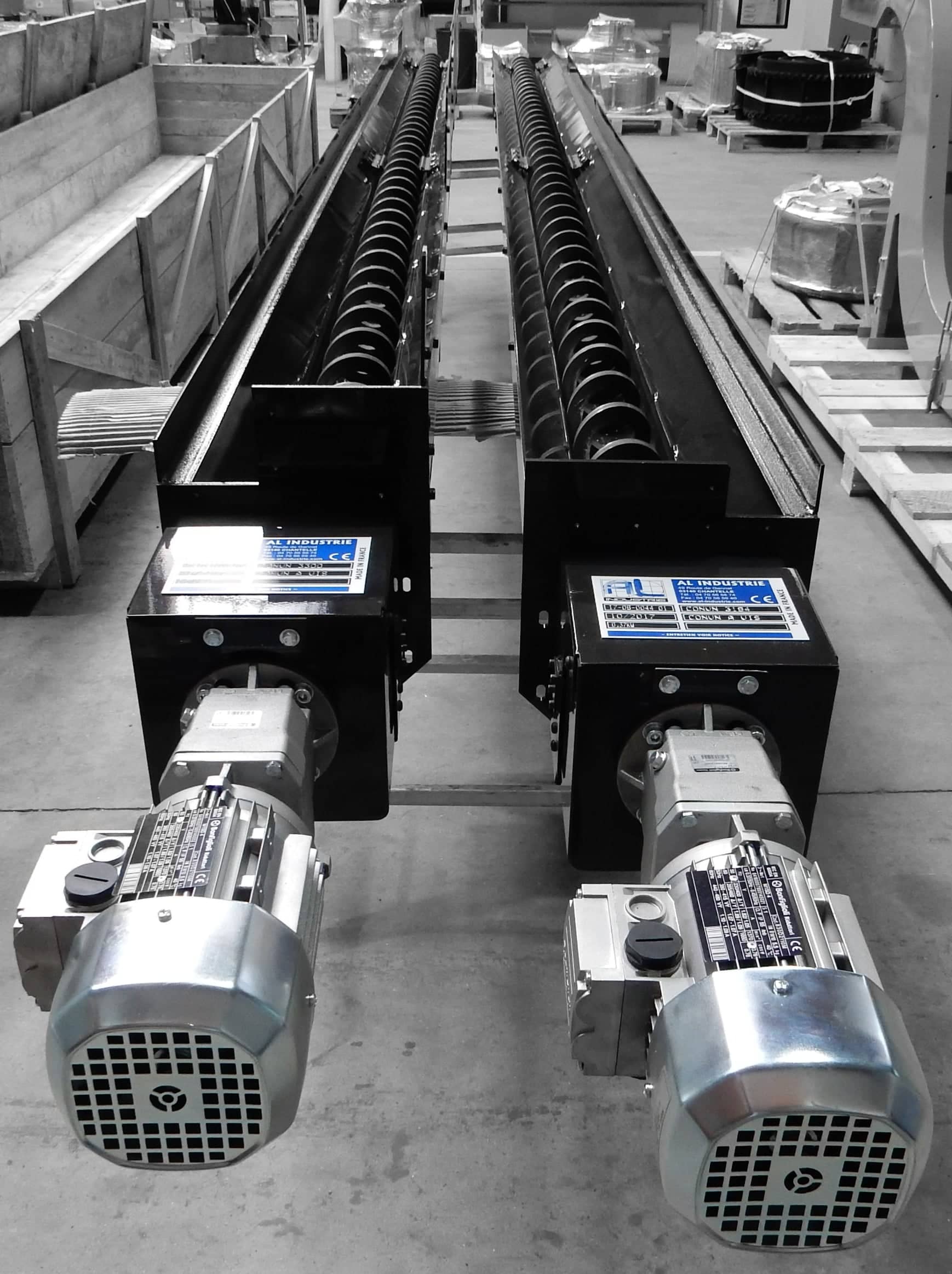
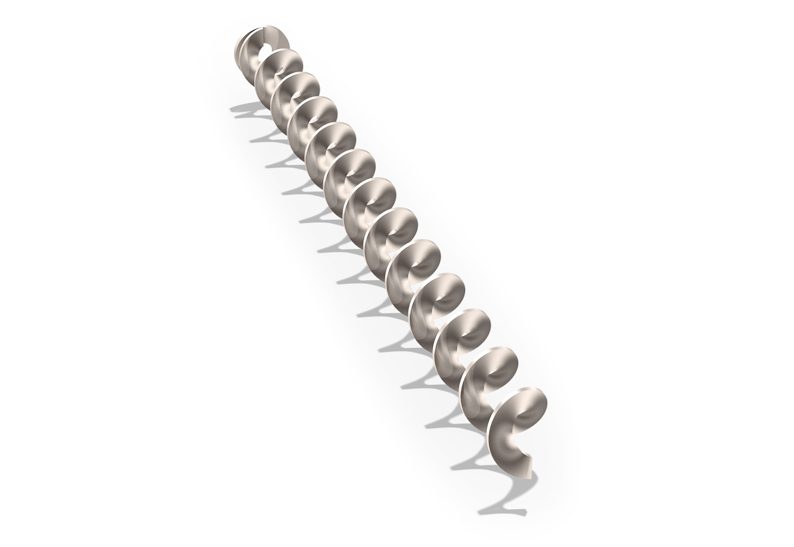
The Archimedean screw is a helix that turns around its own axis in a chute, ensuring the movement of pasty, granular or powdery materials (Larousse dictionary). It takes its name from an invention attributed to Archimedes, an ancient Greek physicist and mathematician (-287 to -212). He is said to have developed it during a trip to Egypt to raise the waters of the Nile and enable crops to be watered.
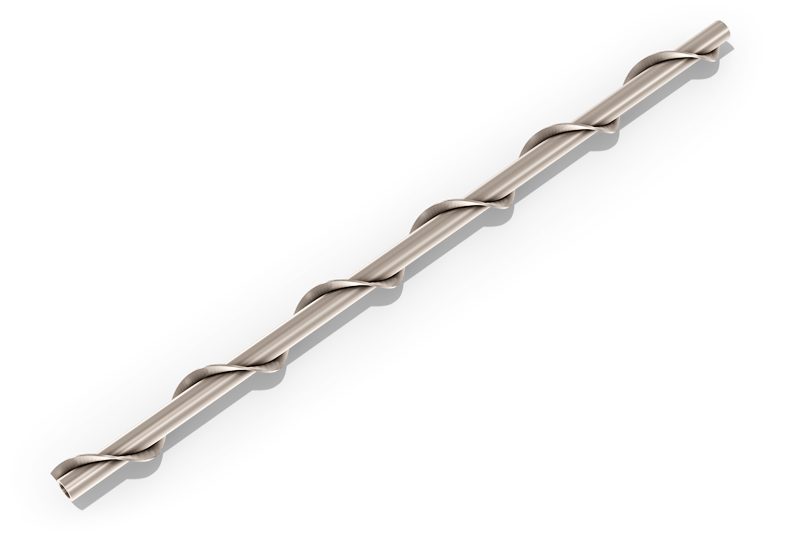
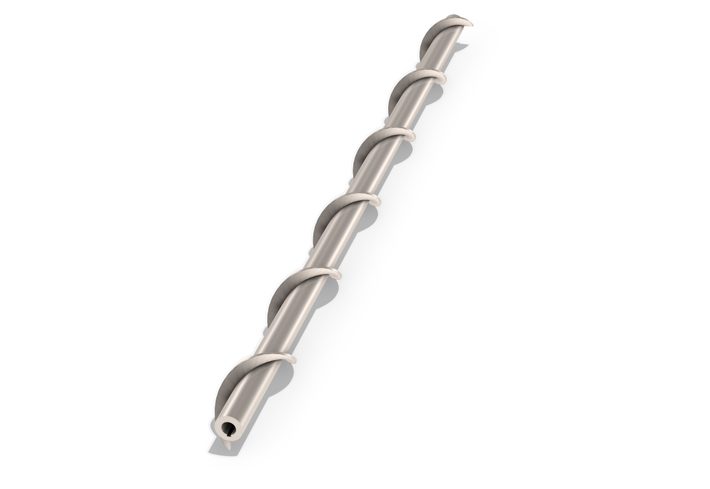
There are four types of screw: light, standard, heavy and no screw. Each with different features to solve your conveying problems.
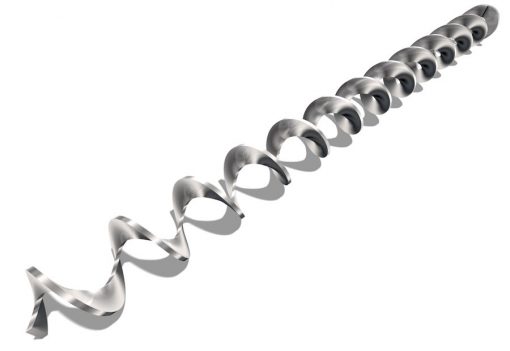


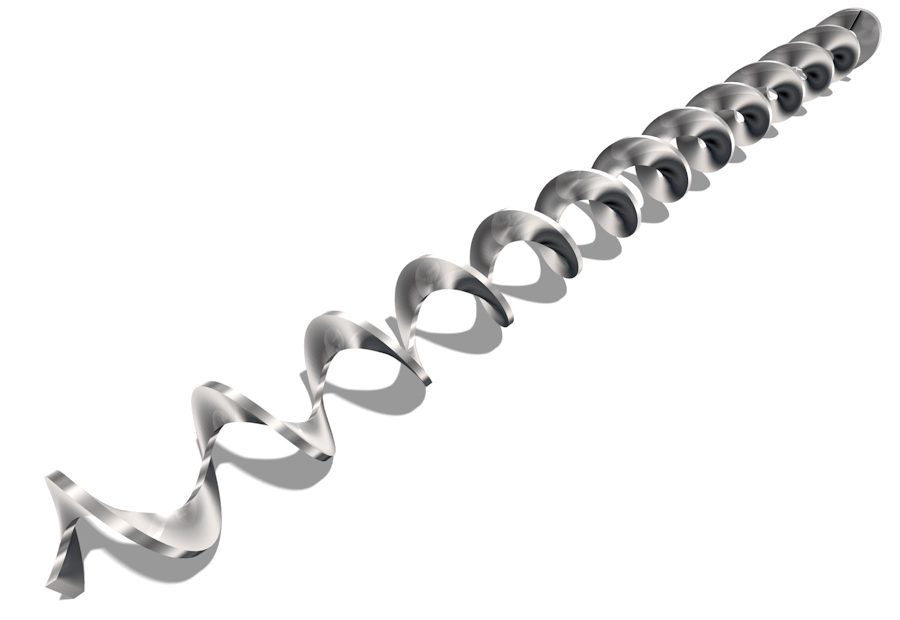
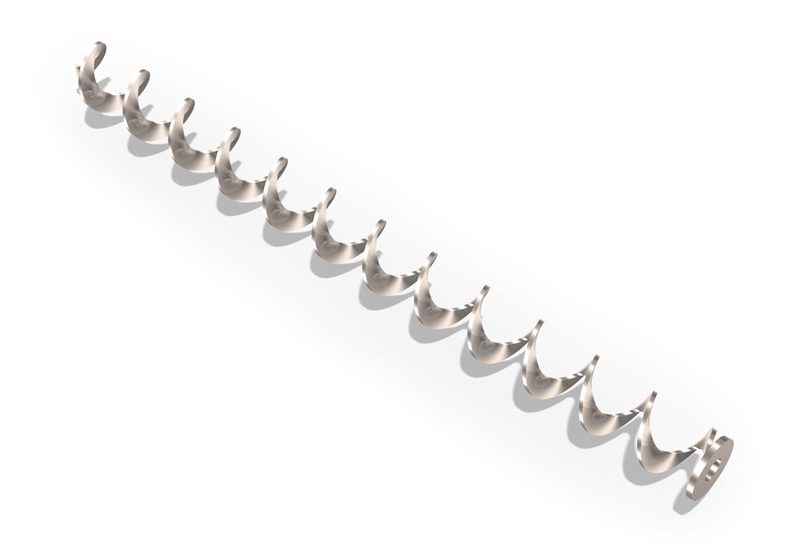


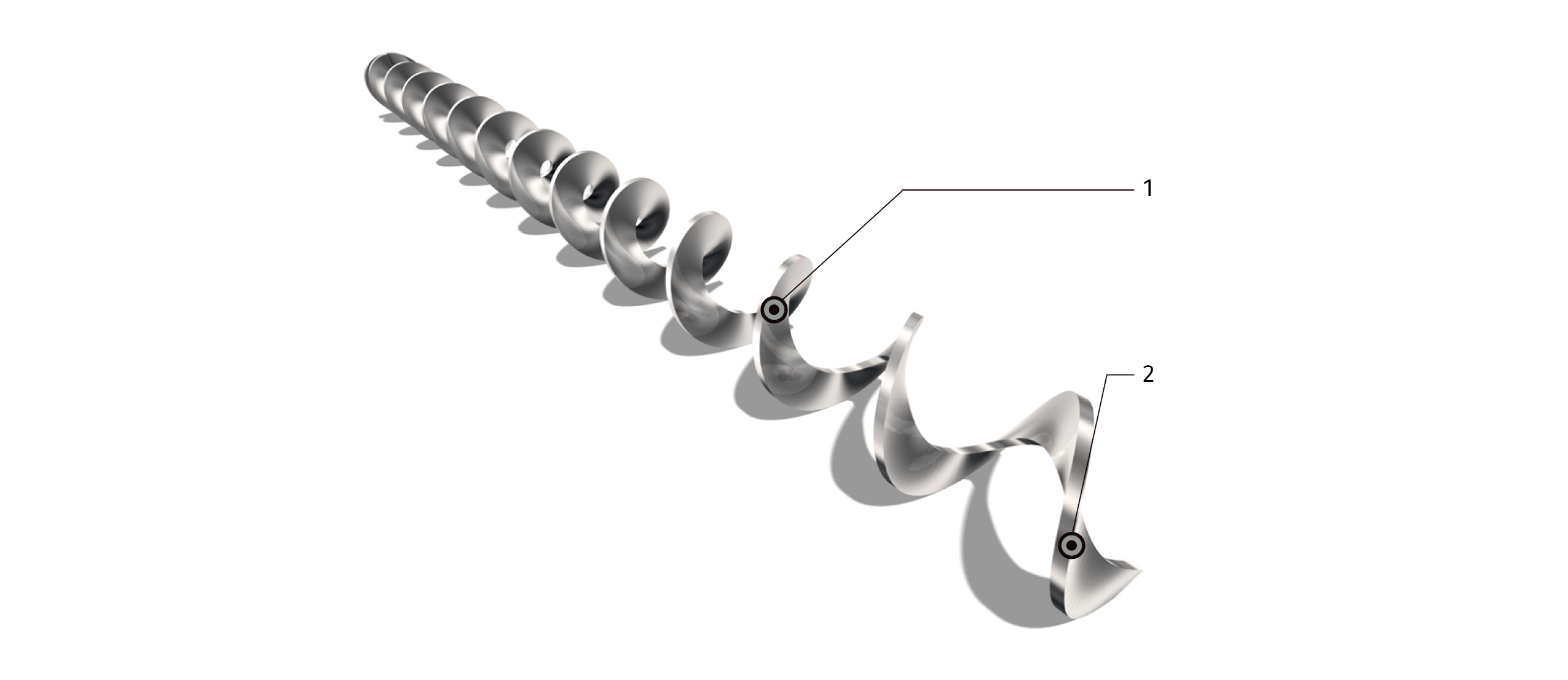
| 1 - Continuous coils welded to inner tube. |
| 2 - Patented "anti chip return" system. |

| Light version: Transport of powdered or granulated materials in the pet food, plastics, soaps and detergents production sectors... |
| Heavy version: Typically used in the animal feed, woodworking, chemical, public and industrial wastewater treatment industries... |
| Extra-heavy version: Used in the cement / lime / gypsum industry and in mines... |
| This screw model is highly versatile, adapting to all types of applications and environments. It can elevate, transport, extract, dose, sieve, mix, drill, raise water, separate, heat/cool your materials. |

| Support saddles. |
| Spires in various configurations (belt, paddle, etc.). |
| Special seals (gas or air fluxing, grease chamber, etc.). |
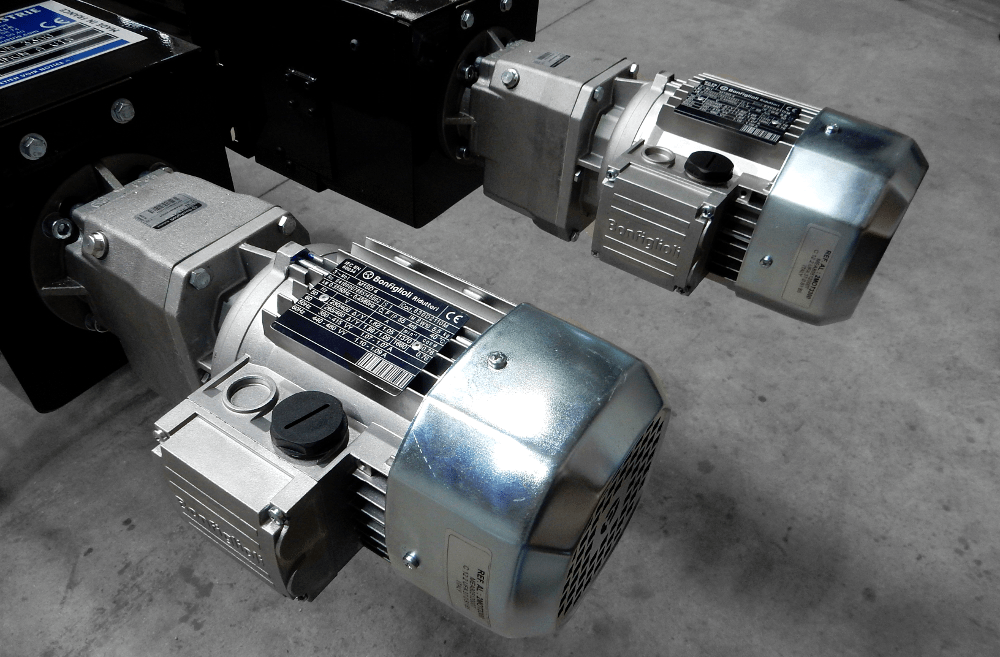
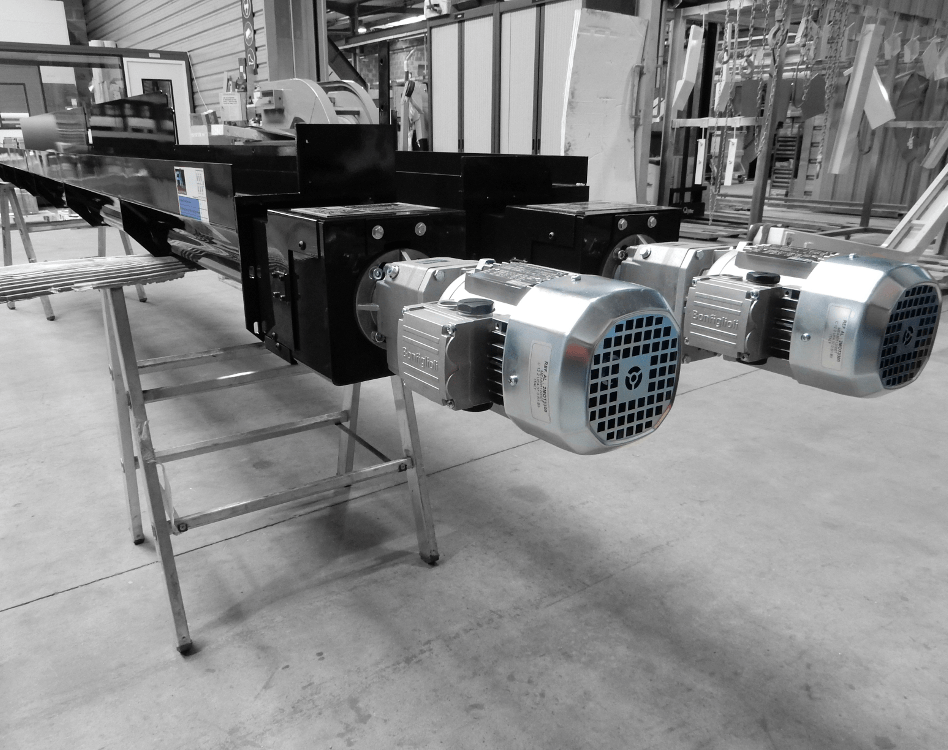
| Various motorization configurations. |
| In the heavy and extra-heavy versions: Spires made from special wear-resistant materials. |

| L: Length (mm) |
| e : Thickness (mm) |
| D : Outside diameter (mm) |
| d : Inside diameter (mm) |
| P : Pitch (mm) |